
Laser Ablation
Sciton 2940 Single Spot Handpiece for Ablation of Skin “Bumps and Lumps”
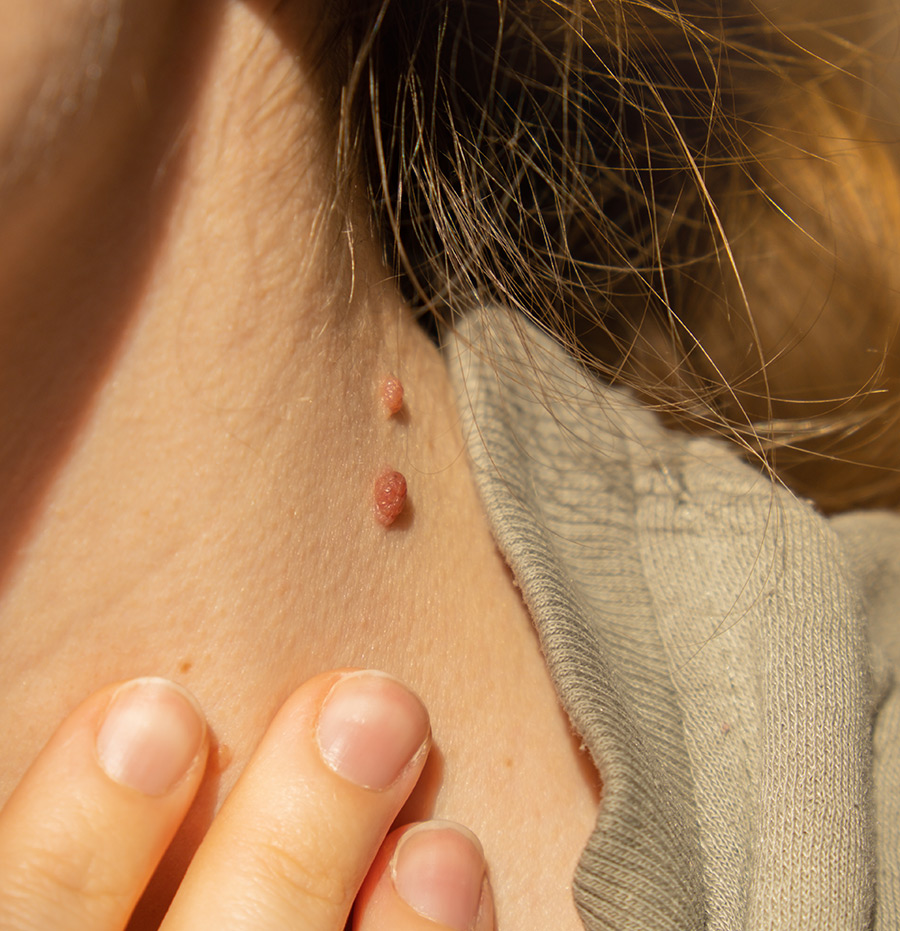
The Sciton 2940 nm Er:YAG single spot handpiece is a highly precise ablative laser tool used to remove or reduce benign raised skin lesions and irregularities. The wavelength is strongly absorbed by water within skin tissue, allowing very controlled vaporization of superficial lesions with minimal surrounding thermal damage.
The Procedure
Commonly Used For
- Skin tags
- Seborrheic keratoses
- Sebaceous hyperplasia
- Benign raised moles
- Certain benign pigmented lesions
- Other superficial skin irregularities
Procedure Time
Charged in 30 minute increments; time is dependent on the number of lesions to be ablated.
Pricing
$495 per half hour (includes follow up visit)
Frequently Asked Questions
What kinds of skin lesions can be treated?
Common treatable lesions include:
- Skin tags
- Seborrheic keratoses
- Sebaceous hyperplasia
- Small benign raised bumps
- Certain benign moles
- Rough or thickened skin growths
Some lesions may require biopsy or pathology evaluation before removal.
How does the 2940 laser work?
The erbium laser precisely removes thin layers of tissue by targeting water within skin cells. Because the laser is highly precise with limited heat spread, it often allows:
- Faster healing
- Less thermal injury
- Reduced risk of scarring compared with some older methods
Is the procedure painful?
Most treatments are very tolerable. Depending on lesion size and location:
- Topical numbing cream
- Local anesthetic injections
How long does the procedure take?
Treatment is charged in half hour increments. Multiple lesions can typically be treated in 30 minutes.
Will the lesion come back?
Many treated benign lesions are permanently removed. However:
- Some lesions may recur
- New lesions can form elsewhere over time
- Certain genetic or sun-related conditions predispose patients to additional growths
What does healing look like?
After treatment, the area may appear:
- Pink
- Mildly raw
- Crusted or scabbed
Healing usually occurs over:
- Several days to 2 weeks depending on depth and location
Is there a scar afterward?
The goal is minimal visible scarring. Compared with some traditional excision or freezing methods, the 2940 erbium laser may provide:
- Smoother healing
- Better cosmetic blending
- Reduced textural change
However, any skin procedure carries some risk of:
- Scarring
- Pigment change
- Persistent redness
Can lesions be sent to pathology?
Yes. If there is any uncertainty regarding the diagnosis, a biopsy or pathology specimen may be recommended before or during treatment.
What precautions are important after treatment?
Patients should:
- Keep the area clean
- Use healing ointment if instructed
- Avoid picking or scratching
- Use sunscreen diligently
Sun protection is especially important to minimize post-inflammatory pigmentation changes.